How Stablecoin Regulation Is Reshaping Payments In 2026

A few years ago, stablecoins were mostly talked about inside crypto communities. Today, they are quietly becoming part of everyday payments — from cross-border business settlements to digital wallets used by millions of people. What changed? The answer is stablecoin regulation.
By 2026, stablecoins are no longer operating in a legal grey zone. Governments, central banks, and financial regulators have stepped in, not to kill innovation, but to make sure these digital currencies can safely operate at scale. This shift is fundamentally changing how payments and international remittances work around the world.
In this article, we’ll explore how stablecoin regulation reached this point, why it matters so much for payments and remittances , how it’s influencing businesses, consumers, and the future of money.
What Are Stablecoins and Why Do They Matter in Global Payments?
Definition of Stablecoins
Stablecoins are digital currencies designed to maintain a stable value. Unlike Bitcoin or other cryptocurrencies that can swing wildly in price, stablecoins are usually pegged to something familiar — most commonly a fiat currency like the US dollar.
This stability is what makes them useful. When people know the value won’t suddenly drop, they’re more willing to use stablecoins for payments rather than speculation.
Role of Stablecoins in Modern Payment Systems
Payments today need to be fast, cheap, and borderless. Traditional systems struggle with this. International transfers can take days, involve multiple intermediaries, and come with high fees.
Stablecoins solve many of these problems by enabling:
- Near-instant transfers
- Lower transaction costs
- 24/7 availability
- Fast and secure cross-border payments and remittances
However, without proper oversight, these advantages also created risks — which is exactly why stablecoin regulation became necessary.
The Evolution of Stablecoin Regulation
Early Regulatory Uncertainty (2017–2021)
During the early growth phase of stablecoins, regulation was largely absent. Stablecoin issuers operated with minimal oversight, and reserve backing was often opaque. This lack of clarity raised concerns among regulators related to:
- Money laundering
- Terrorist financing
- Consumer fund safety
- Market manipulation
Governments struggled to categorize stablecoins as currencies, securities, or payment instruments, leading to fragmented oversight.
Regulatory Acceleration (2022–2025)
Several high-profile failures and market disruptions accelerated the push for stablecoin regulation. Regulatory bodies recognized that stablecoins had grown too large to remain unregulated.
Between 2022 and 2025, governments began introducing frameworks focusing on:
- Reserve transparency
- Issuer licensing
- Audit requirements
- Consumer protection laws
This period marked the transition of stablecoins from experimental tools to regulated financial infrastructure.
Why Stablecoin Regulation Became a Global Priority by 2026
Financial Stability Risks
As stablecoin market capitalization crossed hundreds of billions of dollars, regulators identified systemic risks. A poorly backed stablecoin could trigger liquidity crises similar to bank runs, impacting both crypto and traditional financial markets.
Stablecoin regulation helps ensure:
- Proper reserve backing
- Reliable redemption for payment and remittance users
- Strong risk management controls
Consumer Protection and Trust
Unregulated stablecoins exposed users to significant risks, particularly those relying on them for remittances and savings. Regulatory oversight introduced safeguards that protect users and build long-term trust.
Banks, payment processors, and remittance service providers were unwilling to adopt stablecoins without regulatory clarity. Stablecoin regulation enabled seamless integration into traditional payment and remittance infrastructure.
Integration with Traditional Finance
Banks, payment processors, and remittance service providers were unwilling to adopt stablecoins without regulatory clarity. Stablecoin regulation enabled seamless integration into traditional payment and remittance infrastructure.
By 2026, stablecoins are no longer experimental tools used only within crypto markets. Thanks to clear and structured stablecoin regulation, they have become an essential part of modern payment systems and international remittances. Governments and regulators across the world have set rules that allow stablecoins to operate safely, which has encouraged banks, fintech companies, and global businesses to adopt them for real-world transactions.
Rather than slowing innovation, regulation has helped stablecoins mature. With stronger safeguards, better transparency, and legal clarity, stablecoins are now trusted enough to handle high-value payments, international transfers, and everyday transactions.
How Stablecoin Regulation Is Reshaping Payment Systems in 2026
By 2026, stablecoins are no longer experimental tools used only within crypto markets. Thanks to clear and structured stablecoin regulation, they have become an essential part of modern payment systems and international remittances. Governments and regulators across the world have set rules that allow stablecoins to operate safely, which has encouraged banks, fintech companies, and global businesses to adopt them for real-world transactions.
Rather than slowing innovation, regulation has helped stablecoins mature. With stronger safeguards, better transparency, and legal clarity, stablecoins are now trusted enough to handle high-value payments, international transfers, and everyday transactions.
Faster and More Secure Cross-Border Payments
One of the most visible changes by 2026 is how cross-border payments work. Traditionally, sending money across countries involved multiple intermediaries, high fees, and long settlement times. Even today, systems like SWIFT can take days to complete a single transaction.
Regulated stablecoins have changed this completely. Financial institutions now rely on compliant stablecoin issuers to move funds almost instantly, regardless of geography. Because these issuers follow strict anti-money laundering (AML) and know-your-customer (KYC) requirements, regulators are more comfortable allowing stablecoins to be used at scale.
With stablecoin regulation in place, cross-border payments are:
- Faster, often settling within minutes
- More cost-effective for remittances
- More secure, thanks to blockchain transparency and regulatory oversight
As a result, businesses and individuals no longer need to depend solely on outdated payment rails for international transfers.
Rise of Regulated Payment Stablecoins
Another major shift in 2026 is the clear distinction regulators make between different types of stablecoins. Speculative or experimental stablecoins are treated differently from payment-focused stablecoins that are designed specifically for real-world transactions.
Payment stablecoins are built with stability, liquidity, and compliance as top priorities. They are backed by high-quality reserves, operate under clear legal frameworks, and offer reliable redemption mechanisms. This focus on compliance has helped regulated payment stablecoins gain widespread acceptance.
This regulatory clarity has encouraged:
- Institutional adoption, with banks and fintech firms integrating stablecoins into their payment systems
- Merchant acceptance, allowing customers to pay using stablecoins both online and offline
- Integration into digital wallets, making stablecoins easy to use for everyday payments
In short, stablecoin regulation has transformed payment stablecoins into legitimate financial tools rather than niche crypto assets.
Improved Transparency and Audits
Trust is essential, especially for users relying on stablecoins for cross-border remittances. In 2026, stablecoin issuers are expected to meet strict disclosure standards to prove that their tokens are fully backed and safely managed.
Regulated issuers must:
- Publish regular reserve reports
- Undergo independent audits
- Maintain clear and reliable redemption processes
This level of transparency allows users, businesses, and regulators to verify that a stablecoin is operating as promised. It also reduces uncertainty during periods of market stress, as users have greater confidence in the stability and backing of their digital assets.
By enforcing these standards, stablecoin regulation has significantly reduced market risk and strengthened trust across the payment ecosystem.
Impact of Stablecoin Regulation on Businesses and Consumers
The benefits of stablecoin regulation extend beyond financial institutions. Both businesses and everyday users are experiencing real, practical advantages as stablecoins become safer and more widely accepted.
Benefits for Businesses
For businesses, especially those operating across borders, regulated stablecoins offer a more efficient way to move money. Instead of navigating complex banking networks, companies can use stablecoins to settle transactions quickly and with fewer costs.
Key benefits for businesses include:
- Faster international settlements, improving operational efficiency
- Lower transaction fees, especially for cross-border payments
- Predictable compliance frameworks, reducing legal uncertainty
- Improved cash flow management, thanks to near-instant settlements
Many global companies now use stablecoins for payroll, supplier payments, and treasury operations. The clarity provided by stablecoin regulation makes it easier for businesses to plan, scale, and operate with confidence.
Benefits for Consumers
Consumers may not always notice the regulatory changes behind the scenes, but they experience the results directly. In 2026, stablecoins feel safer, more reliable, and easier to use than ever before.
For consumers, stablecoin regulation means:
- Safer digital payments, with stronger protections in place
- Reduced exposure to fraud and issuer risk
- Easier access to global financial services, even without traditional banking
- Greater acceptance for daily transactions, both online and offline
Thanks to regulation, stablecoins have moved beyond speculation. They are now trusted payment tools that people can confidently use for everyday financial activities.
How Different Stablecoins Are Treated Under Regulation
Fiat-Collateralized Stablecoins
These stablecoins are backed by fiat currency reserves and are the most favored by regulators. They are subject to strict auditing and reserve requirements.
Crypto-Collateralized Stablecoins
Backed by cryptocurrencies, these stablecoins face tighter scrutiny due to market volatility and liquidation risks.
Algorithmic Stablecoins
Algorithmic stablecoins have faced significant regulatory resistance due to past failures. Many jurisdictions restrict or ban them entirely.
Commodity-Backed Stablecoins
These stablecoins are pegged to assets like gold and are regulated under commodity and asset-backed frameworks.
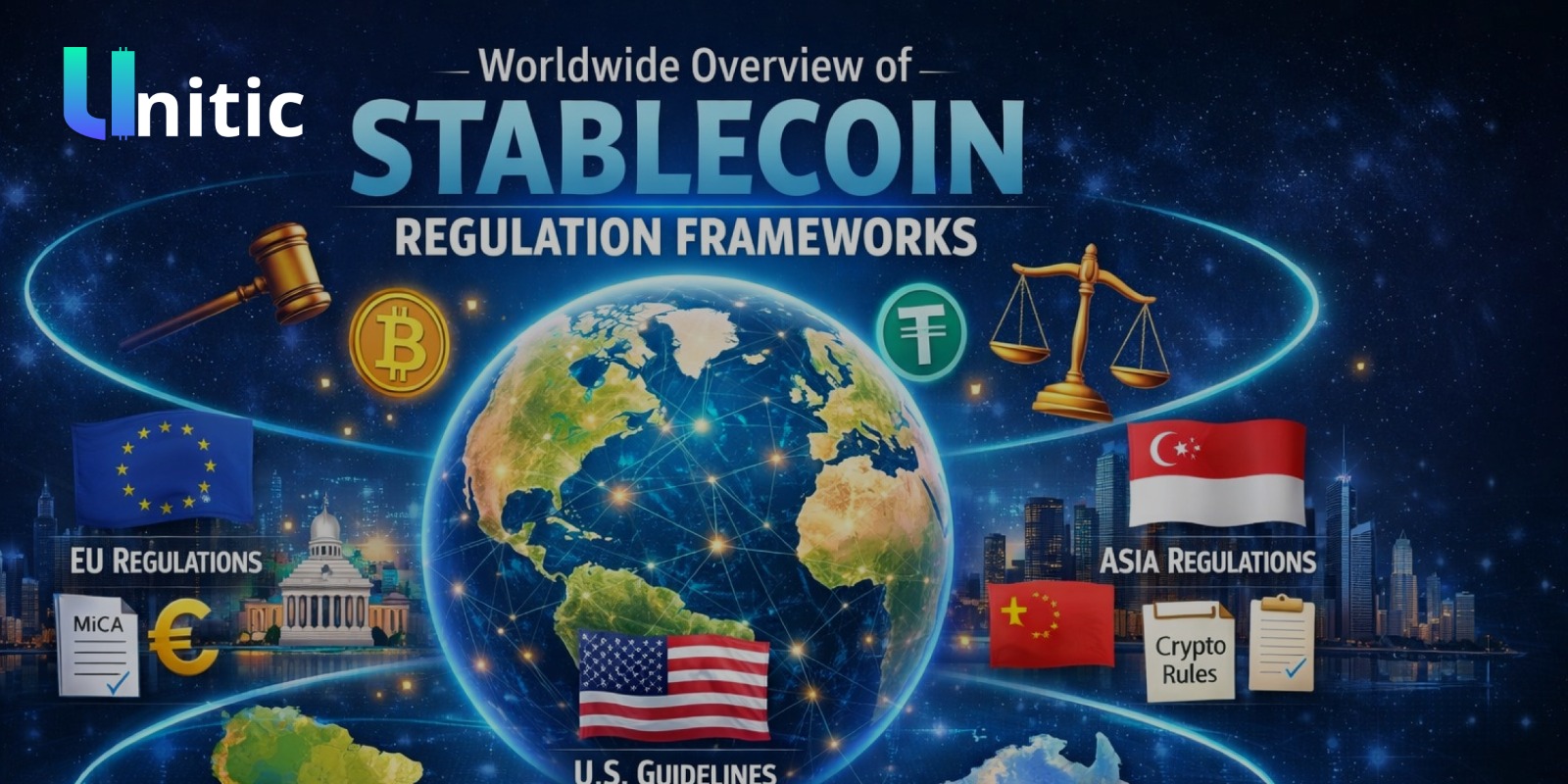
Worldwide Overview of Stablecoin Regulation Frameworks
United States
The United States has implemented comprehensive stablecoin regulation requiring issuers to:
- Hold high-quality liquid reserves
- Obtain federal or state licenses
Comply with banking-style oversight
European Union
The EU’s MiCA framework governs stablecoin issuance, focusing on transparency, consumer protection, and systemic risk management.
Asia (India, Singapore, Japan)
Asian regulators emphasize payment stability and innovation. Countries like Japan and Singapore have clear licensing regimes, while India focuses on payment use cases.
Emerging Markets
In emerging economies, stablecoins play a vital role in remittances and inflation protection. Regulators balance innovation with financial stability.
Challenges and Limitations of Stablecoin Regulation
Despite its benefits, stablecoin regulation presents challenges:
- High compliance costs for startups
- Regulatory fragmentation across jurisdictions
- Risk of stifling innovation
- Limited interoperability between regulatory regimes
Finding the right balance remains a global challenge.
The Next Phase of Stablecoin Regulation in a Digital Economy
Beyond 2026, stablecoin regulation is expected to move toward global harmonization. Central banks, international organizations, and regulators are working toward interoperable standards.
Key trends include:
- Coexistence of CBDCs and stablecoins
- Increased institutional issuance
- Greater role in global trade settlements
Stablecoins are no longer an alternative system—they are becoming core financial infrastructure.
Conclusion
Stablecoin regulation has emerged as a defining force in reshaping global payments in 2026. By introducing trust, transparency, and compliance, regulation has unlocked mainstream adoption and institutional participation. Rather than slowing innovation, well-designed stablecoin regulation has accelerated the transformation of payment systems worldwide.
As stablecoins continue to integrate with traditional finance, they are poised to redefine how value moves across borders—securely, instantly, and inclusively.


Your Crypto Gateway


Unitic Exchange
All rights reserved 2026