What Is the Latest News on BTC? Is Bitcoin Preparing for a Bigger 2027?
Bitcoin has spent the summer of 2026 in a strange holding pattern — not crashing, not rallying, just grinding sideways while the macro backdrop stays noisy. If you're trying to figure out where BTC stands right now, and whether the setup points to something bigger by 2027, here's a full rundown of the latest news along with a practical guide to buying bitcoin, including how to buy bitcoin in India.
Latest Bitcoin News (August 2026)
Price action: Bitcoin has been trading in a tight band roughly between $62,700 and $65,500 through mid-to-late August 2026, a level well off its October all-time high of $126,198. After dipping to around $62,700 earlier in the week, BTC bounced back toward 64,700–65,000 as ETF inflows picked up again.
ETF flows are mixed, not one-directional. Spot bitcoin ETFs saw a notable single-day inflow of roughly $297.5 million, with BlackRock's IBIT leading the pack at over $160 million. But that came after a week of roughly $385 million in net outflows — a sign that institutional appetite is real but inconsistent rather than a steady one-way flow into BTC.
Regulatory news is heating up. The SEC proposed a new "Regulation Crypto Assets" framework that would give crypto issuers exemptions from certain securities registration requirements, along with a $5 million startup capital-raise allowance. Larger offerings would still need to meet disclosure and reporting standards, and projects could eventually exit securities classification once they meet defined managerial and operational milestones. This is widely seen as a step toward regulatory clarity in the US, which has historically been one of the biggest overhangs on crypto valuations.
Volatility has collapsed. Realized volatility fell to around 27%, and roughly two-thirds of tracked "capitulation signals" have already fired — both are typically associated with market bottoms rather than tops. Some analysts read this quiet-before-the-storm pattern as a bullish setup, since low volatility periods have historically preceded sharp directional moves.
Long-term holders are trimming, not dumping. Coins held longer than a year fell by about 356,000 BTC over a recent 30-day stretch — the first meaningful pullback from this cohort in months. The selling is concentrated in coins held 1–5 years rather than the oldest, most conviction-driven wallets, suggesting profit-taking and portfolio rebalancing rather than a wholesale exit. Meanwhile, whale wallets have reportedly been accumulating in the 43,000–46,000 BTC range, offering a contrarian bullish counter-signal.
Sentiment is subdued. The Fear & Greed Index sits around 40 (neutral-to-fearful), and retail chatter has turned defensively pessimistic. Historically, this kind of "nobody wants to talk about bitcoin" mood has coincided with accumulation zones rather than blow-off tops.
Corporate treasury activity continues. Firms are still adding BTC to their balance sheets — for example, one Nasdaq-listed company recently moved to build a bitcoin treasury platform with a sizable BTC contribution — even as some earlier corporate holders have trimmed positions to manage other financial pressures.
Is Bitcoin Preparing for a Bigger 2027?
No one can say for certain, and anyone who claims otherwise is guessing. But a few structural factors are worth weighing if you're thinking about the next 12–18 months:
- Compressed volatility + high capitulation-signal readings have historically preceded larger moves, in either direction, once the market picks a side.
- Regulatory clarity in the US (via proposals like Regulation Crypto Assets) tends to unlock institutional capital that stays on the sidelines during uncertainty.
- ETF infrastructure is now mature — inflows and outflows both happen at scale, meaning bitcoin is more tightly linked to traditional market flows than it was in previous cycles, for better or worse.
- Macro headwinds are real: elevated long-term interest rates and ongoing geopolitical tensions are still acting as a drag on risk assets broadly, bitcoin included.
- On-chain accumulation by large wallets even during a soft market is often read as a sign that sophisticated holders view current prices as attractive relative to a multi-year horizon.
Put together, the setup is genuinely two-sided: it has the hallmarks some analysts associate with an accumulation phase, but it's happening against a macro backdrop that could just as easily keep prices range-bound for longer. This isn't financial advice — it's a summary of what's being discussed, and you should treat any "2027 prediction" with healthy skepticism.
How to Buy Bitcoin: The Basics
- Choosing an exchange
Look past just "is it popular" — check three things: (a) regulatory status in your jurisdiction, (b) how they custody user funds (cold storage percentage, proof-of-reserves), and (c) liquidity/spread on the pairs you'll actually trade. A cheap-looking exchange with wide bid-ask spreads can cost you more than one with a visible fee. - KYC verification
Typically needs a government ID, a selfie/liveness check, and sometimes address proof. This can take anywhere from minutes (automated) to a few days (manual review), so don't leave it until you're trying to buy during a price move. - Funding your account
Fiat rails vary by country — bank transfer, card, UPI, wire, etc. Card payments are fast but usually carry the highest fees; bank/UPI transfers are cheaper but slower to clear. - Placing the order
- Market order: executes immediately at current price — simplest for beginners.
- Limit order: executes only at your specified price — better for controlling entry price, especially on volatile days.
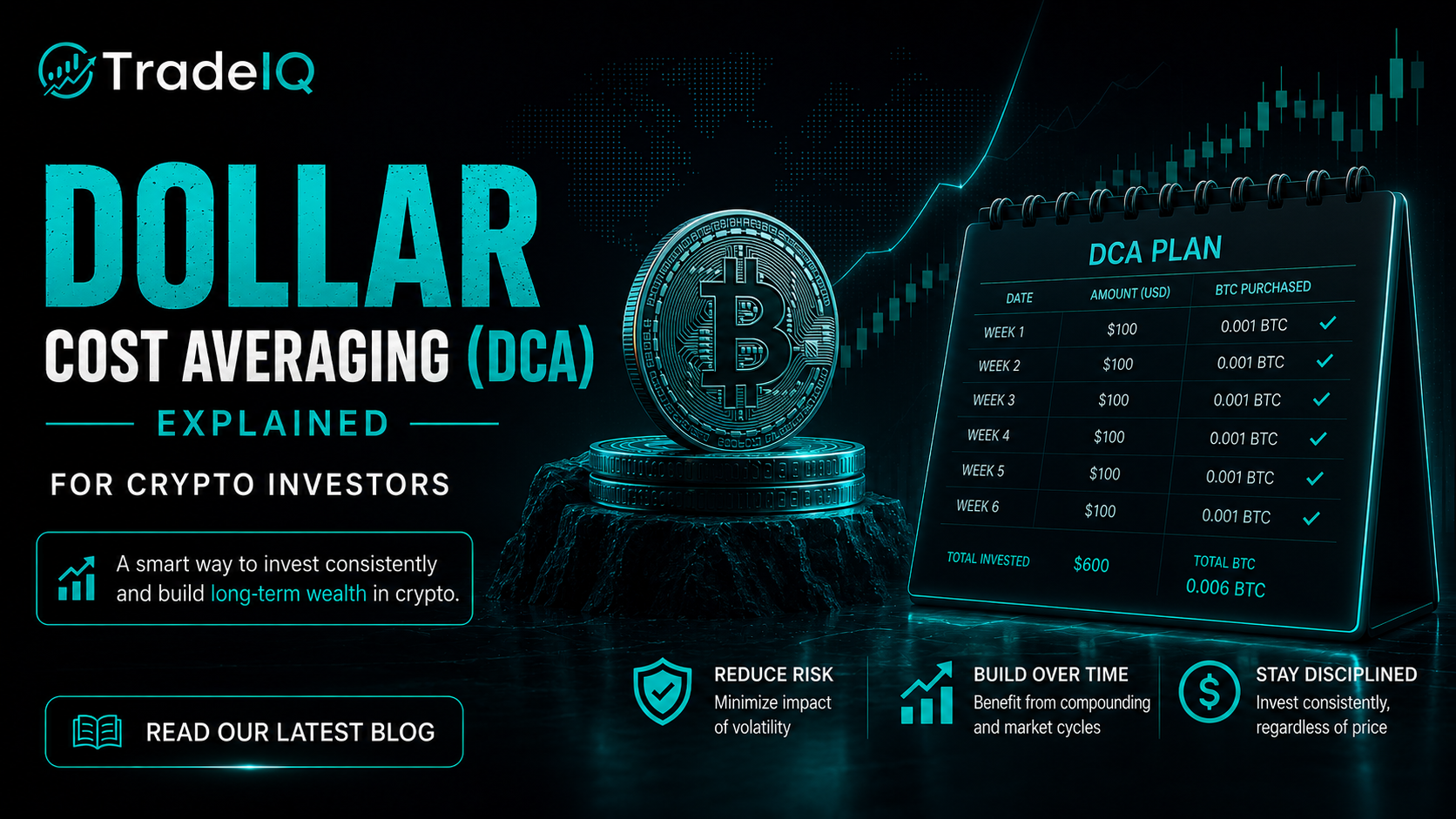
- Recurring/SIP buys: many exchanges let you automate a fixed-amount weekly/monthly purchase (dollar-cost averaging), which removes the temptation to time the market.
- Custody decision
- Exchange wallet: convenient, but you don't hold the private keys — if the exchange is hacked or goes insolvent, your funds are at risk (this is the classic "not your keys, not your coins" problem).
- Software wallet (mobile/desktop app): free, more control, but the device is a target if compromised.
- Hardware wallet (Ledger, Trezor, etc.): keys stay offline, best security for meaningful amounts, but you're responsible for the seed phrase — lose it and there's no recovery.
A common approach: keep a small trading balance on the exchange, move long-term holdings to a hardware wallet.
How to Buy Bitcoin in India
FIU-IND registration
From March 2023, crypto exchanges serving Indian users must register as "reporting entities" with the Financial Intelligence Unit under the Prevention of Money Laundering Act. This is why offshore exchanges (Binance, KuCoin, etc.) were blocked from Indian app stores/ISPs for a period until they complied — registered Indian platforms (Unitic Exchange, CoinDCX, WazirX, CoinSwitch) are the compliant route.
KYC
PAN is mandatory for tax reporting purposes; Aadhaar-based e-KYC is the fastest verification method most platforms use.
Funding methods
UPI and IMPS are the fastest (often instant settlement); NEFT/RTGS bank transfers work but are slower. Debit/credit card funding is less common on Indian crypto platforms due to RBI restrictions on card payments to crypto entities.
Tax treatment — this is the part that trips people up
All profits from Virtual Digital Assets are taxed at a flat 30% under Section 115BBH . Key details:
This flat rate applies regardless of how long you hold — there's no long-term capital gains discount like with stocks or real estate.
- Only the cost of acquisition is deductible; other costs like transaction fees, mining, or trading expenses are not deductible.
- Losses from crypto cannot be offset against other income or capital gains, and cannot be carried forward to future years.
- 1% TDS under Section 194S applies when consideration exceeds ₹10,000 in a financial year for specified persons, with different thresholds for others. This TDS is deducted automatically by the exchange and shows up as an advance tax credit when you file — it's not an extra cost, but it does reduce your immediate liquidity per trade.
- An 18% GST applies on the fees/commissions charged by exchanges, separate from the 30% profit tax.
- You report crypto gains under Schedule VDA when filing your ITR (ITR-2 or ITR-3), and if you hold on foreign platforms, you also need to disclose that in Schedule FA regardless of value.
Comparing platforms
Beyond headline "0% fee" marketing, check the actual spread between buy/sell price (this is where many platforms make their real margin), withdrawal fees if you plan to move coins to your own wallet, and how deep the order book is for the amount you're trading — thin liquidity means your market order can move the price against you.
Note: this isn't tax or investment advice — crypto tax rules and TDS thresholds can be amended in future budgets, so it's worth confirming current figures with a CA before filing, especially if you're trading frequently.
A Note on Unitic Exchange
Unitic Exchange is one of the India-focused platforms that has gained visibility recently, positioning itself as an FIU-registered exchange based out of Chennai. It advertises spot trading, futures, staking, P2P trading, and INR deposits/withdrawals via UPI and bank transfer, along with a "signals" feature that provides trade recommendations and a sub-broker/franchise program for onboarding new users.
A few things worth knowing if you're evaluating it:
- It's a relatively young platform (founded 2022–2023), so it has a shorter operating history than more established Indian exchanges.
- Features like leveraged futures trading and paid "signals" promising outsized short-term returns carry meaningfully higher risk, and eye-catching return claims (e.g., triple-digit percentage gains in a matter of weeks) should always be treated with skepticism regardless of which platform is offering them.
- As with any exchange, verify current FIU registration status directly, check where and how your funds are stored (cold vs. hot wallet storage), and read the fee schedule carefully before depositing meaningful amounts.
This isn't an endorsement or a warning — just context. Whichever platform you use, whether it's Unitic Exchange or a larger incumbent, the same due-diligence checklist applies: verify registration, check custody practices, understand the fee structure, and never invest more than you can afford to lose.
Bottom Line
Bitcoin's current price action — low volatility, mixed ETF flows, a neutral-to-fearful sentiment reading, and quiet whale accumulation — has some of the ingredients analysts associate with pre-breakout accumulation phases. Whether that translates into a bigger 2027 depends heavily on macro conditions, regulatory follow-through, and institutional flows that are impossible to predict with confidence today. If you're buying bitcoin — in India or anywhere else — the fundamentals don't change: use a properly registered exchange, understand the tax and custody implications, and size your position according to your own risk tolerance rather than headlines.
This article is for informational purposes only and does not constitute financial advice. Cryptocurrency investments are volatile and carry risk of loss; do your own research before investing.
FAQs
Bitcoin’s 2027 price is impossible to predict with certainty. Current forecasts vary widely depending on market liquidity, institutional demand, regulation, and the broader crypto cycle. Some published models place BTC around 72,000–95,000, while more bullish institutional scenarios have projected substantially higher levels.
Bitcoin could experience another major rally, but a boom is not guaranteed. Renewed institutional investment, ETF inflows, improving crypto regulation, increased liquidity, and the approach of the 2028 Bitcoin halving could support prices. However, interest rates, regulation, market sentiment, and economic conditions remain important risks.
There is no reliable single price target for Bitcoin in 2028. Forecasts differ significantly. For example, some models project BTC around $137,000, while Standard Chartered previously outlined a much more bullish $500,000 end-2028 scenario. These figures are forecasts, not guarantees.
Bitcoin has recently experienced a strong rebound. On August 20, 2026, BTC moved above $70,000, supported by renewed institutional interest, optimism around U.S. crypto regulation, and expectations of improved market liquidity.
Recent crypto headlines are focused on Bitcoin’s rebound, proposed U.S. crypto-market legislation, institutional demand, and liquidity conditions. Bitcoin recently rallied sharply after renewed support for the Clarity Act and the U.S. Treasury's announcement to increase long-term bond buybacks. Traders are now watching whether the rally can develop into a sustained recovery.



Your Crypto Gateway


Unitic Exchange
All rights reserved 2026